Journal · The Pots Biophilic design, science and spaces
The journal.
Botanical art, plants, and interior design. Guidance on selecting artwork and planning design and plant care for homes, hotels, and restaurants.
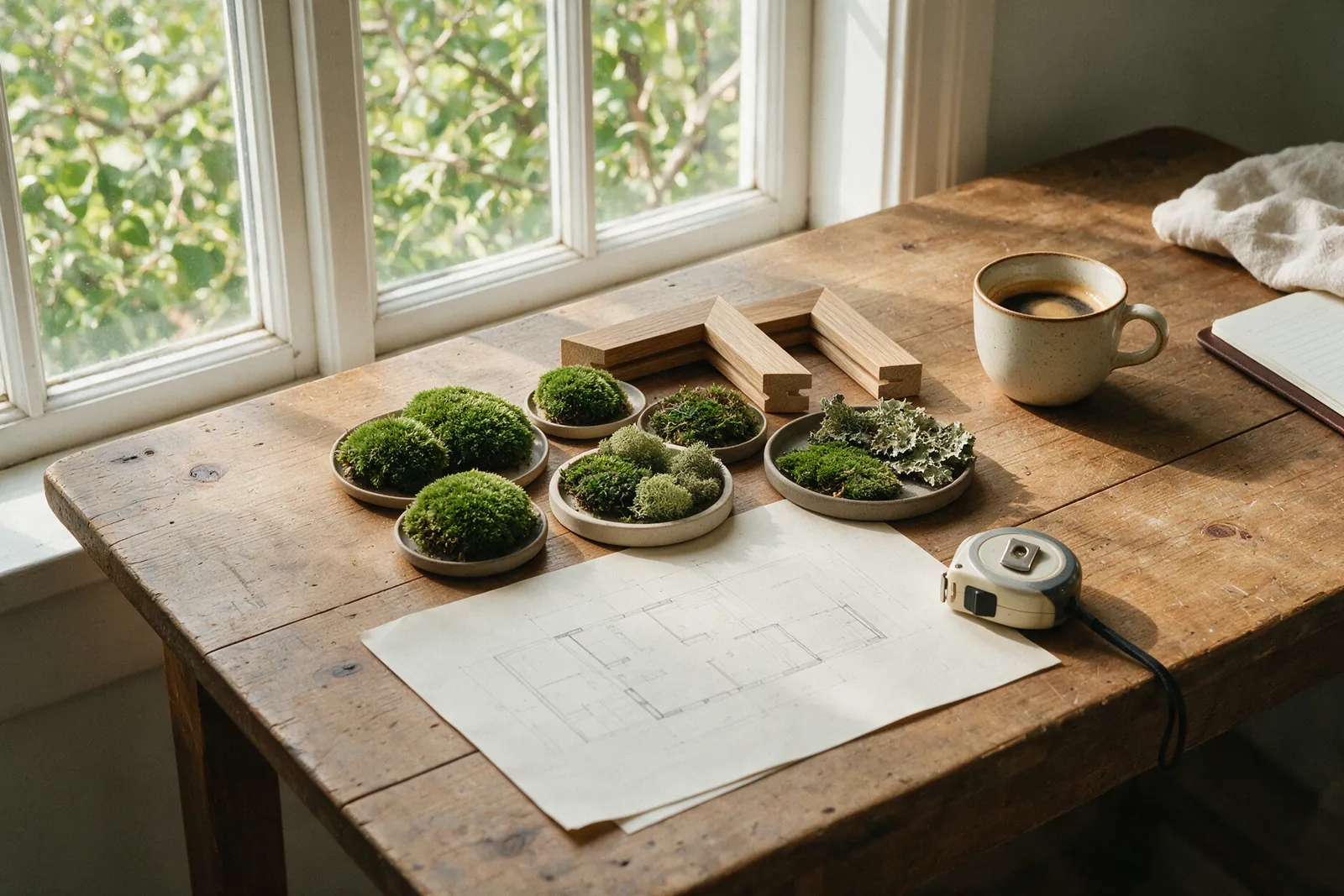
How much biophilic design costs: real prices, what to prioritise and how the investment pays back
A price guide to biophilic design for homes and businesses: what a preserved-moss artwork, a made-to-measure mural, a living green wall or a planted wall costs, what maintenance each option needs and what research says about the return.
Read the articleEARLIER
20 articles
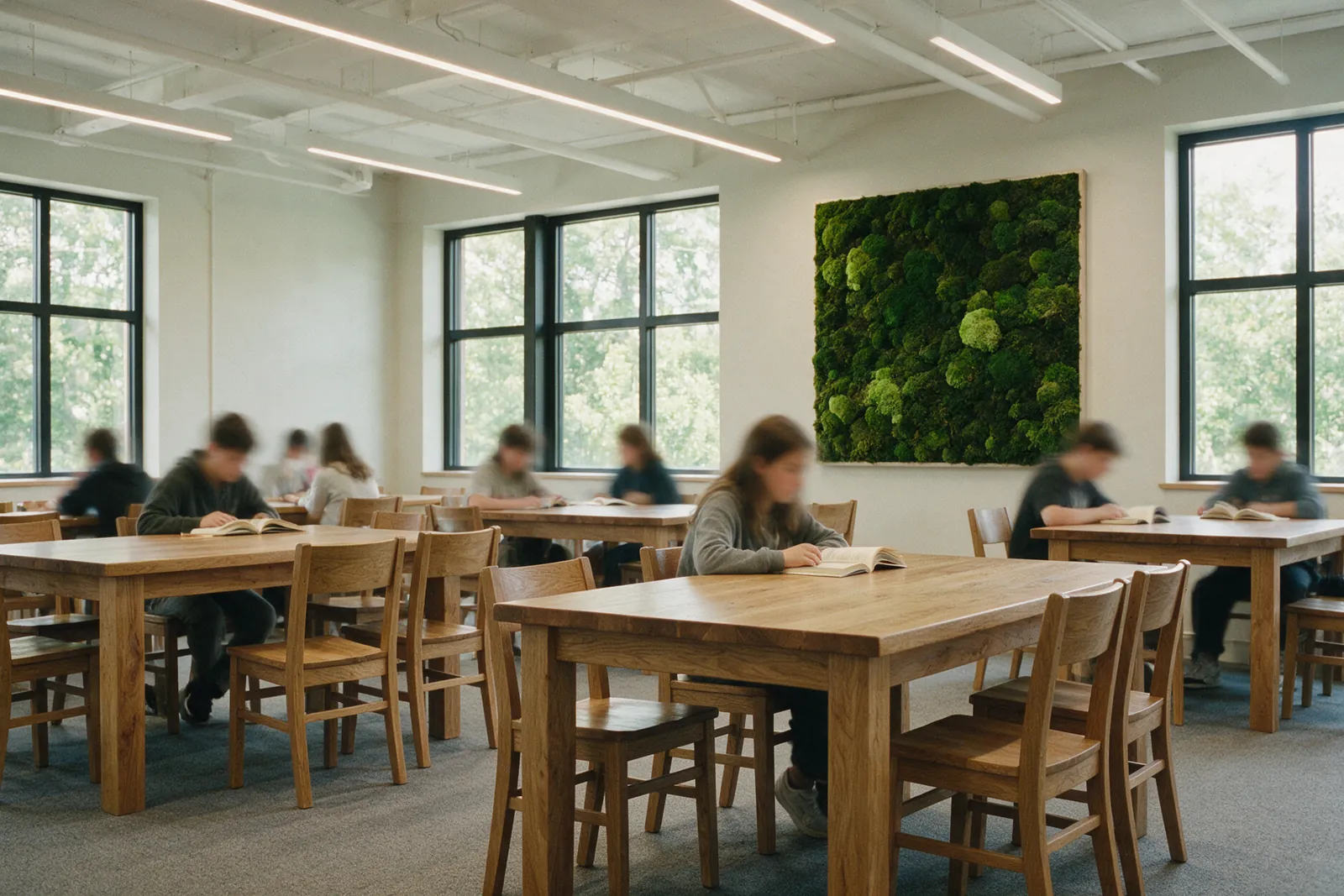
Classrooms with a view: what science knows about nature, attention and learning
Biophilic design in schools, universities and study spaces: the Illinois study on green views and attention recovery in high schools, the research on plants in the classroom, and how to apply it in schools, libraries and study corners at home.
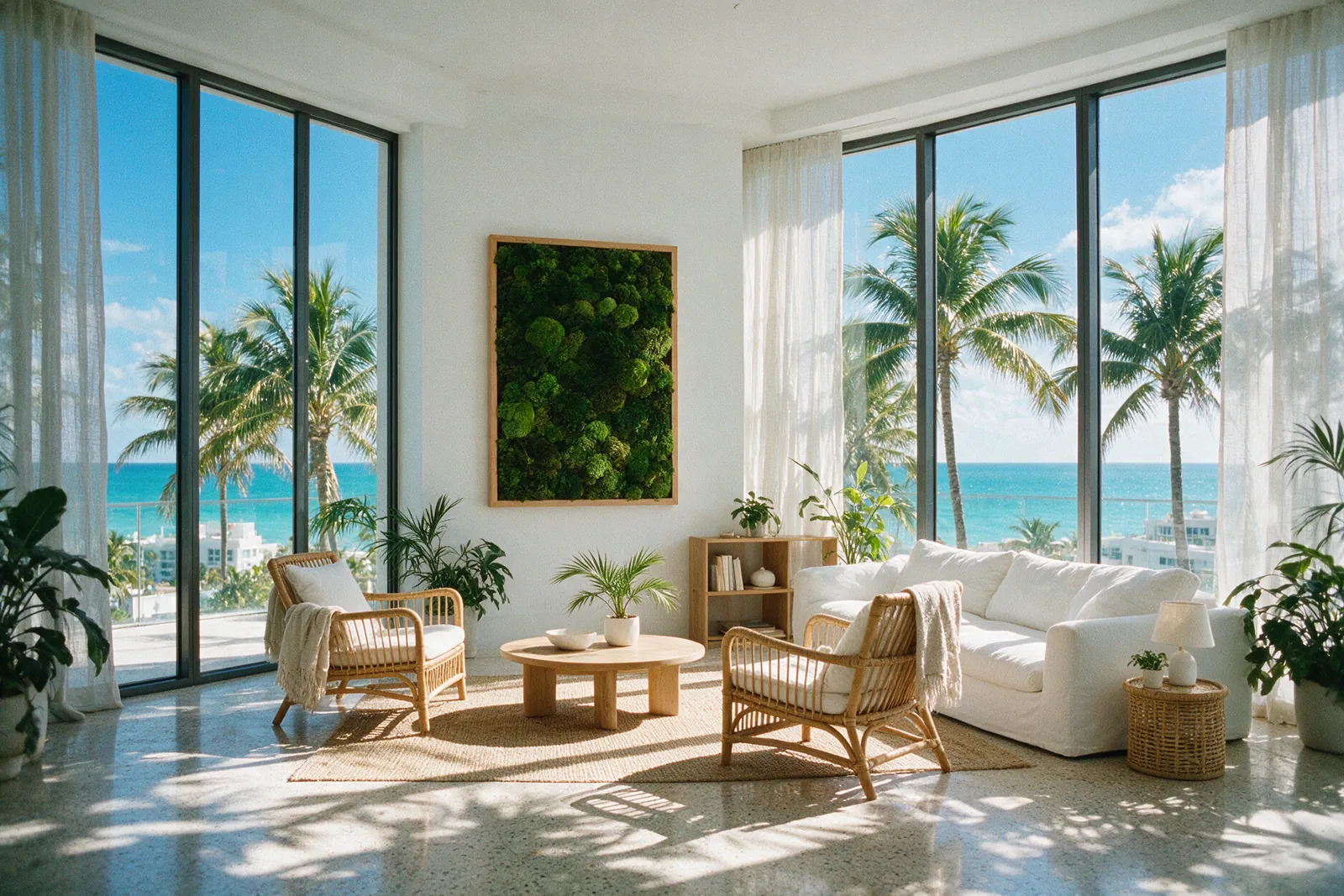
Biophilic design in Florida: what works indoors with heat, humidity and air conditioning
A practical guide to biophilic design for Miami, Boca Raton and South Florida: why indoor plants struggle with air conditioning, how preserved moss behaves with humidity, which materials hold up and how to bring the Florida landscape inside.
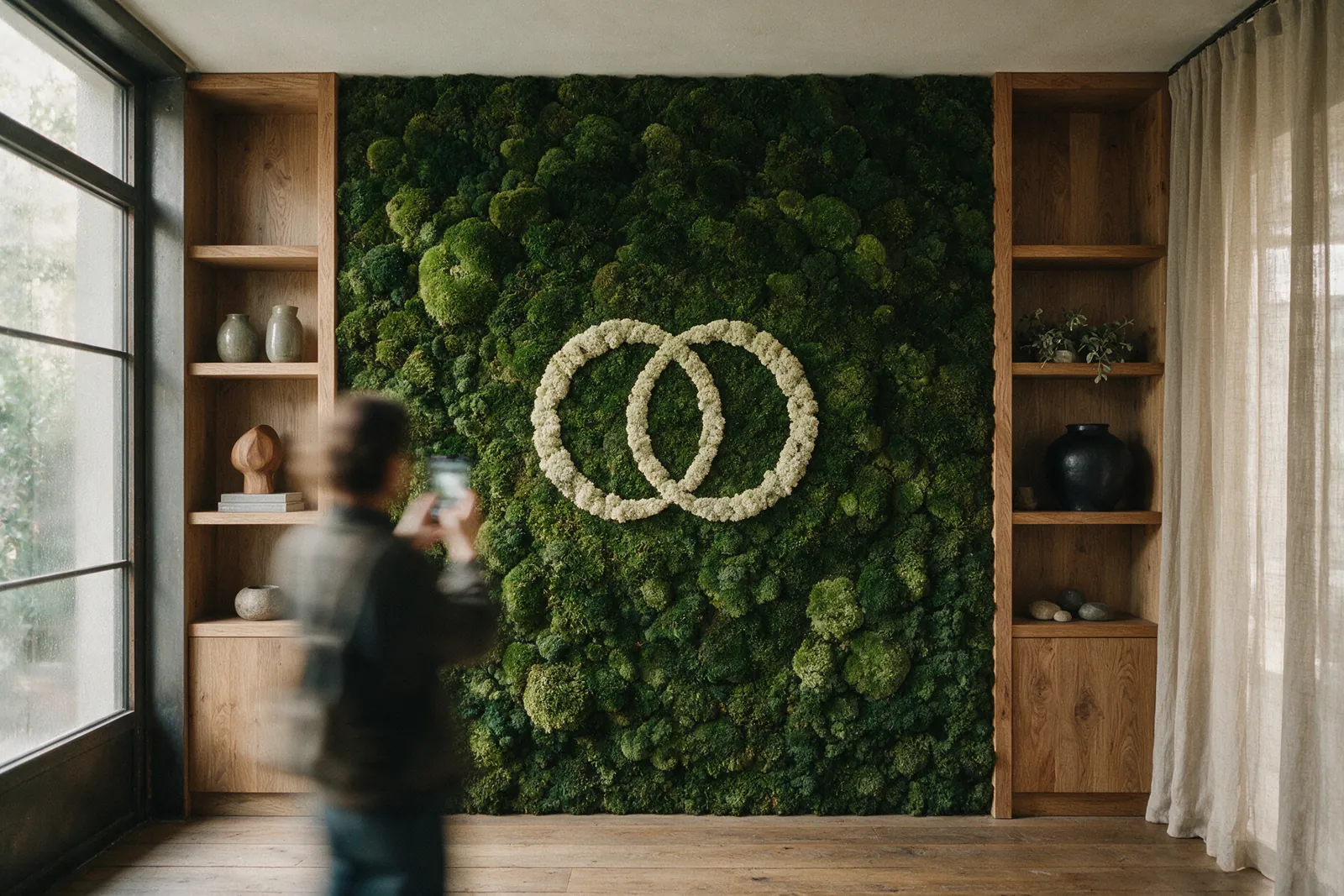
The brand on the wall: why a logo in moss is remembered more than a sign
What consumer psychology says about brand memory, nature and perceived quality, and why a business logo formed in preserved moss and lichen works at once as signage, biophilic element and social-media content.
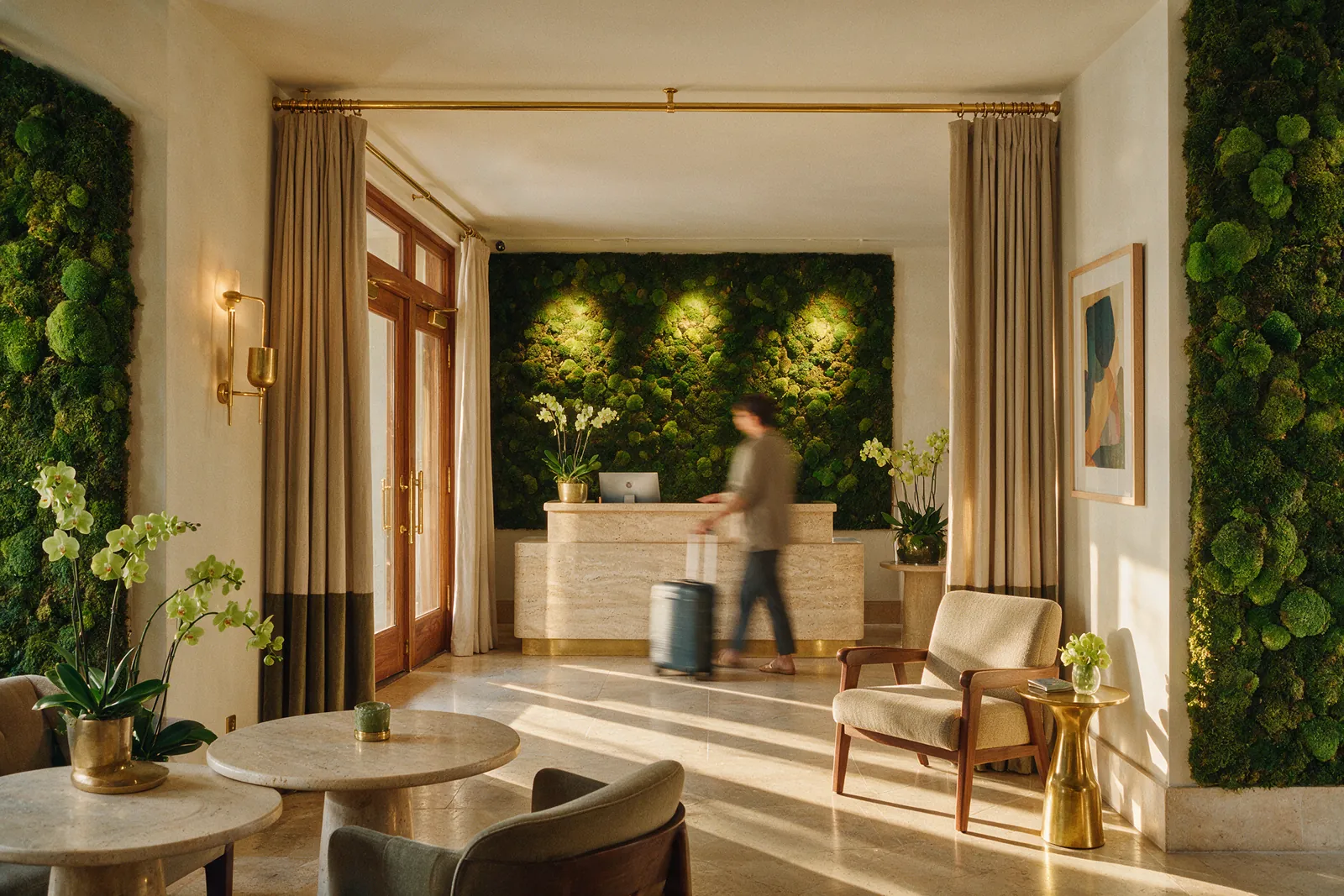
Hotels: how biophilic design turns into rate, reviews and memory
Biophilic design in hotels: what the evidence says about nature, guest satisfaction and willingness to pay, how leading hotels apply it, and what a boutique or chain hotel can do in the lobby, the rooms and the restaurant.
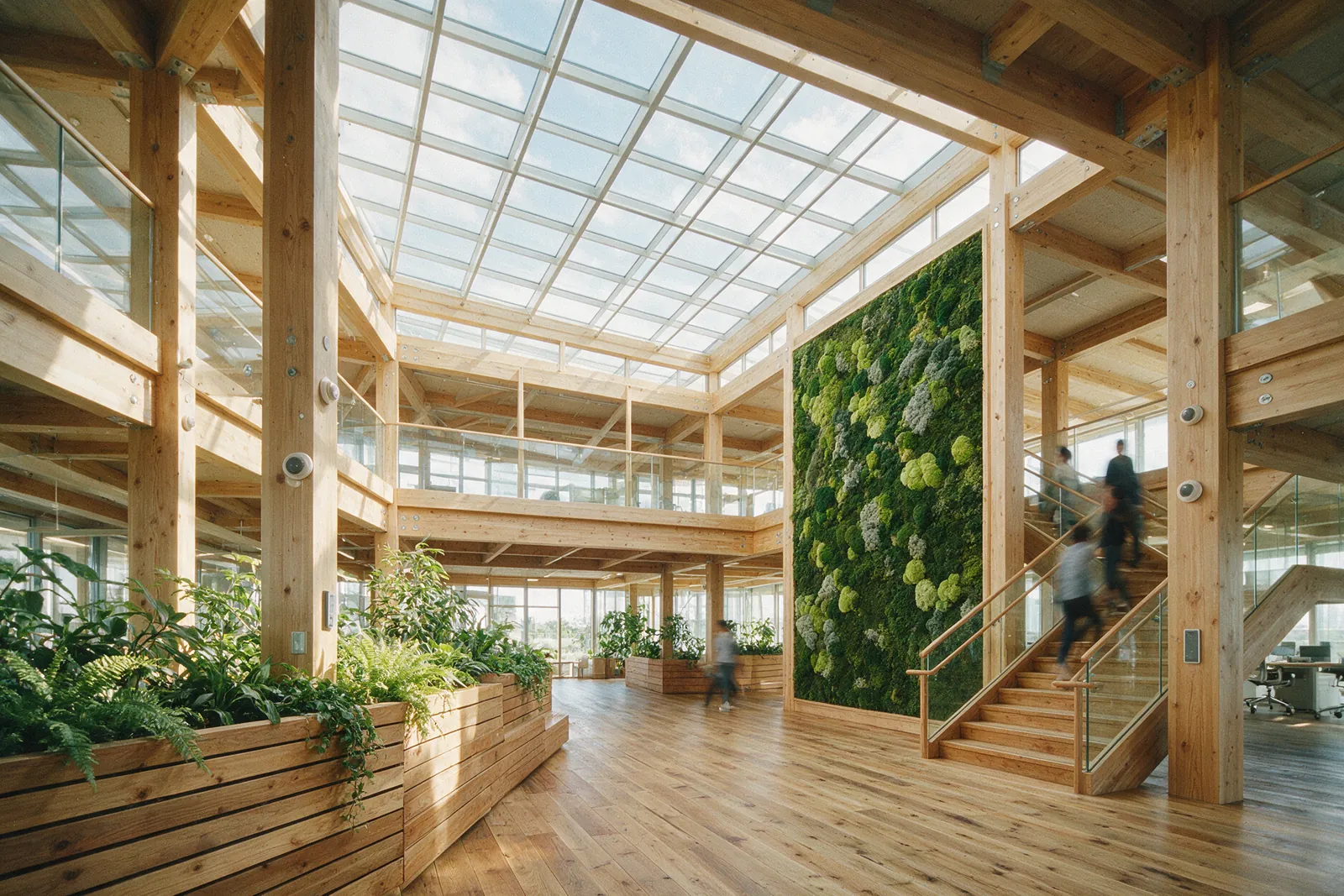
WELL and LEED certification: how biophilic design scores in a building
What the WELL, LEED and Fitwel standards require on nature indoors, which credits biophilic design earns, and how a preserved-moss mural or a views strategy helps certify an office or a hotel.
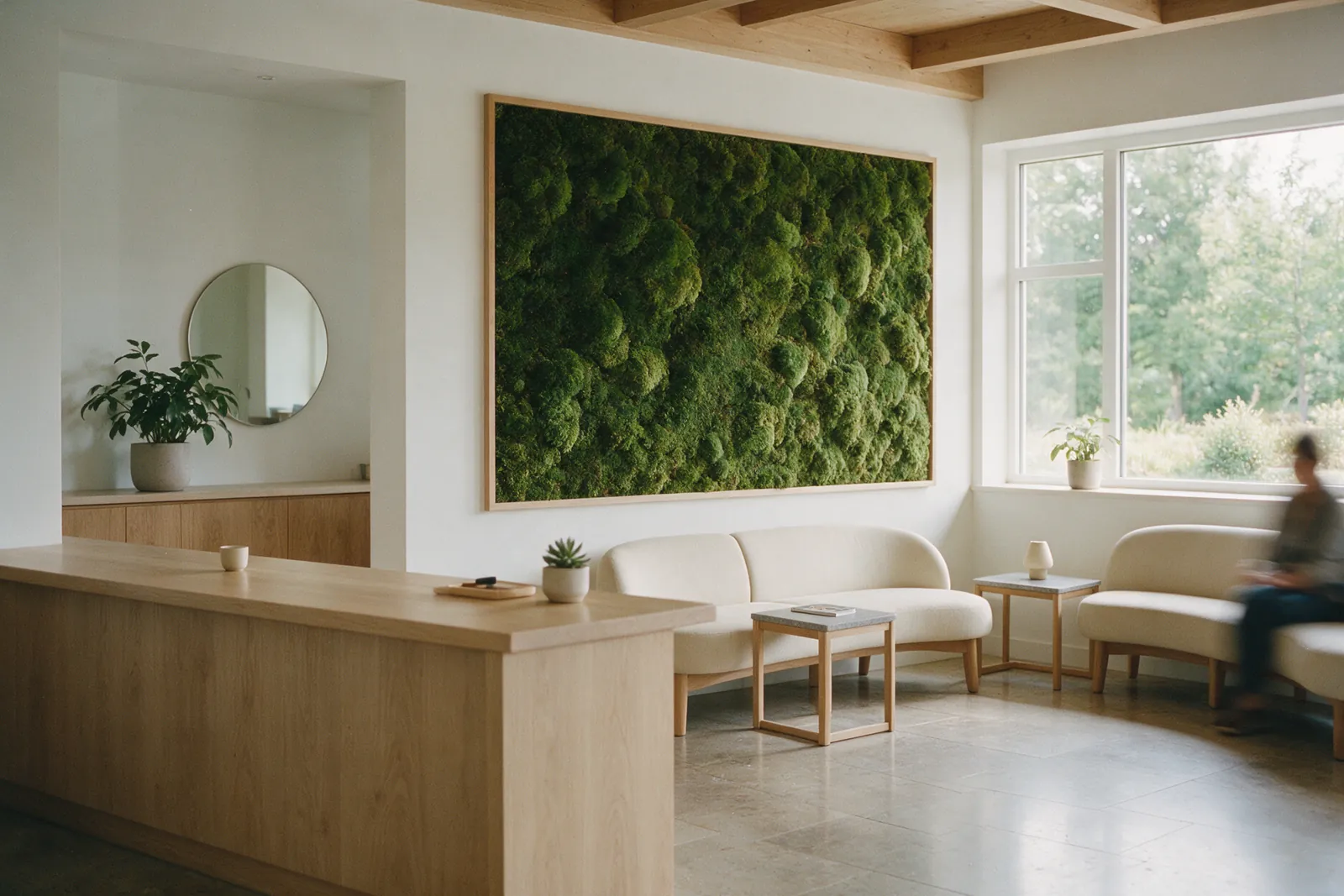
Clinics and hospitals: the strongest evidence for nature indoors
Biophilic design in clinics, practices and hospitals: from the Ulrich study to evidence-based design, the plants that reduced pain in hospital rooms, and how to apply it in a waiting room, a dental practice or an aesthetic clinic.
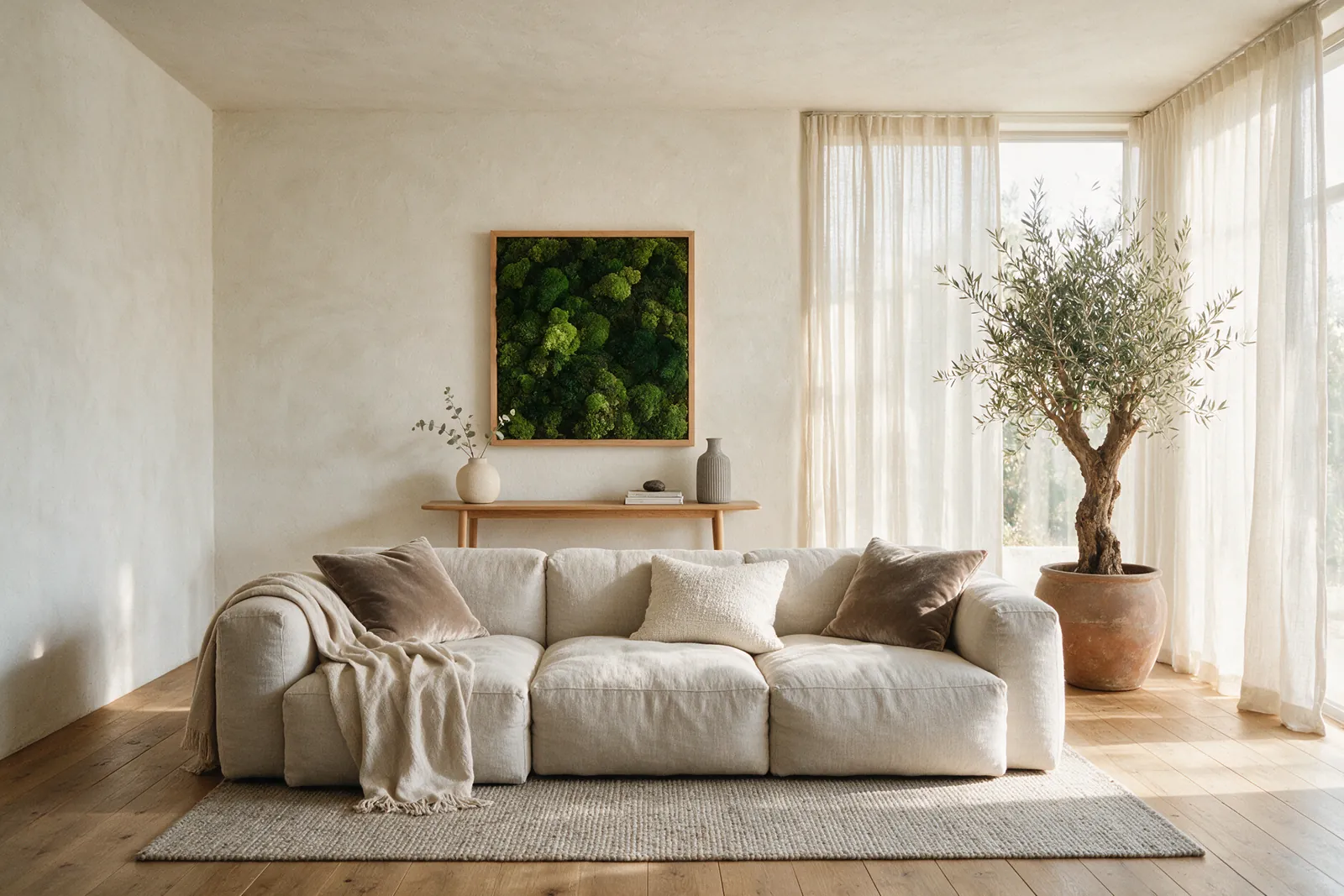
Biophilic design at home: 9 science-backed ideas, room by room
How to apply biophilic design at home without renovating: light, materials, real nature and refuge, with the scientific reasoning behind each idea and what to do in the living room, bedroom, kitchen, home office and hallway.
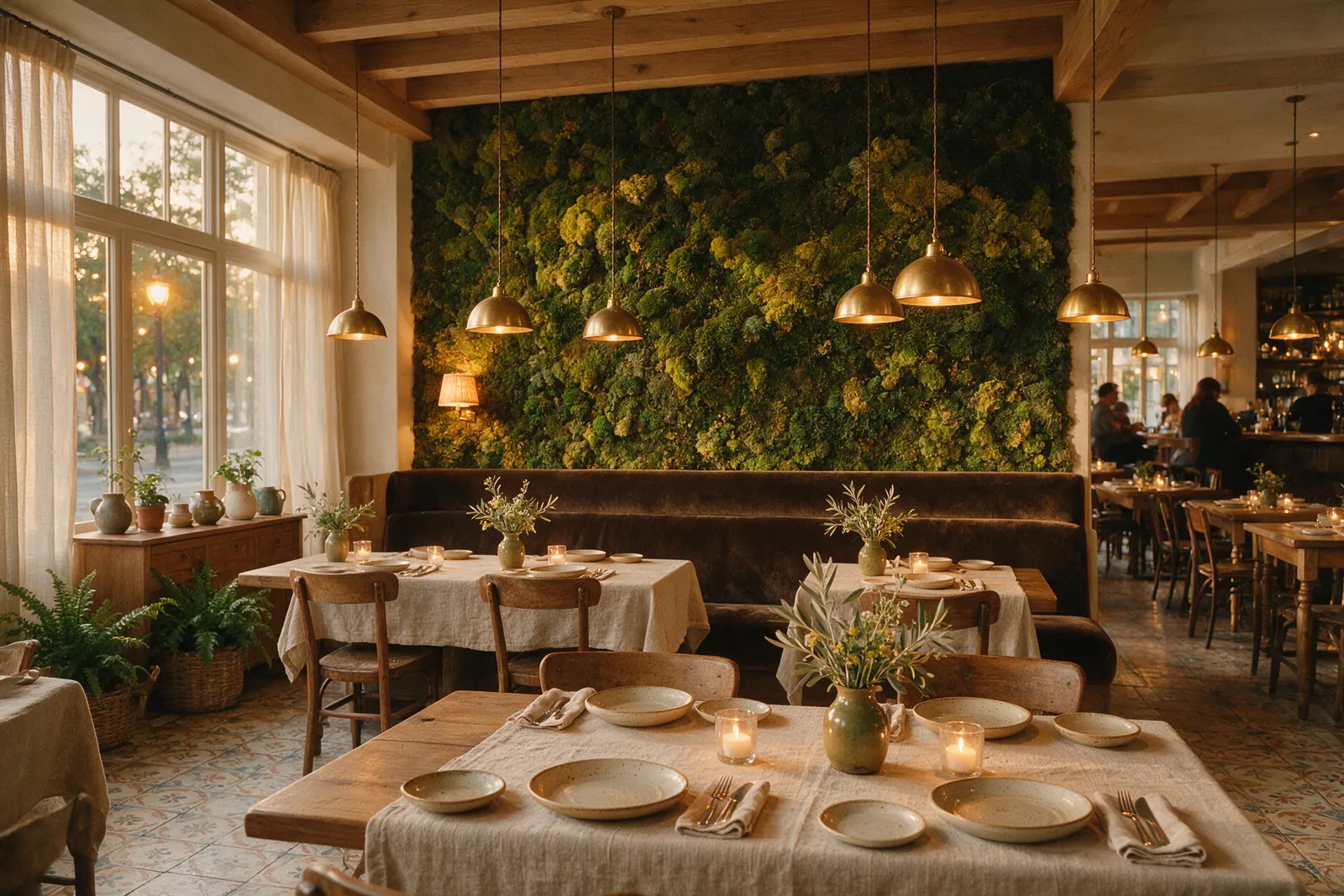
Biophilic design in restaurants: why nature makes guests linger
What research says about greenery, perceived quality and dwell time in restaurants and shops, and how to apply biophilic design in a hospitality venue: moss walls, light, materials and acoustics.
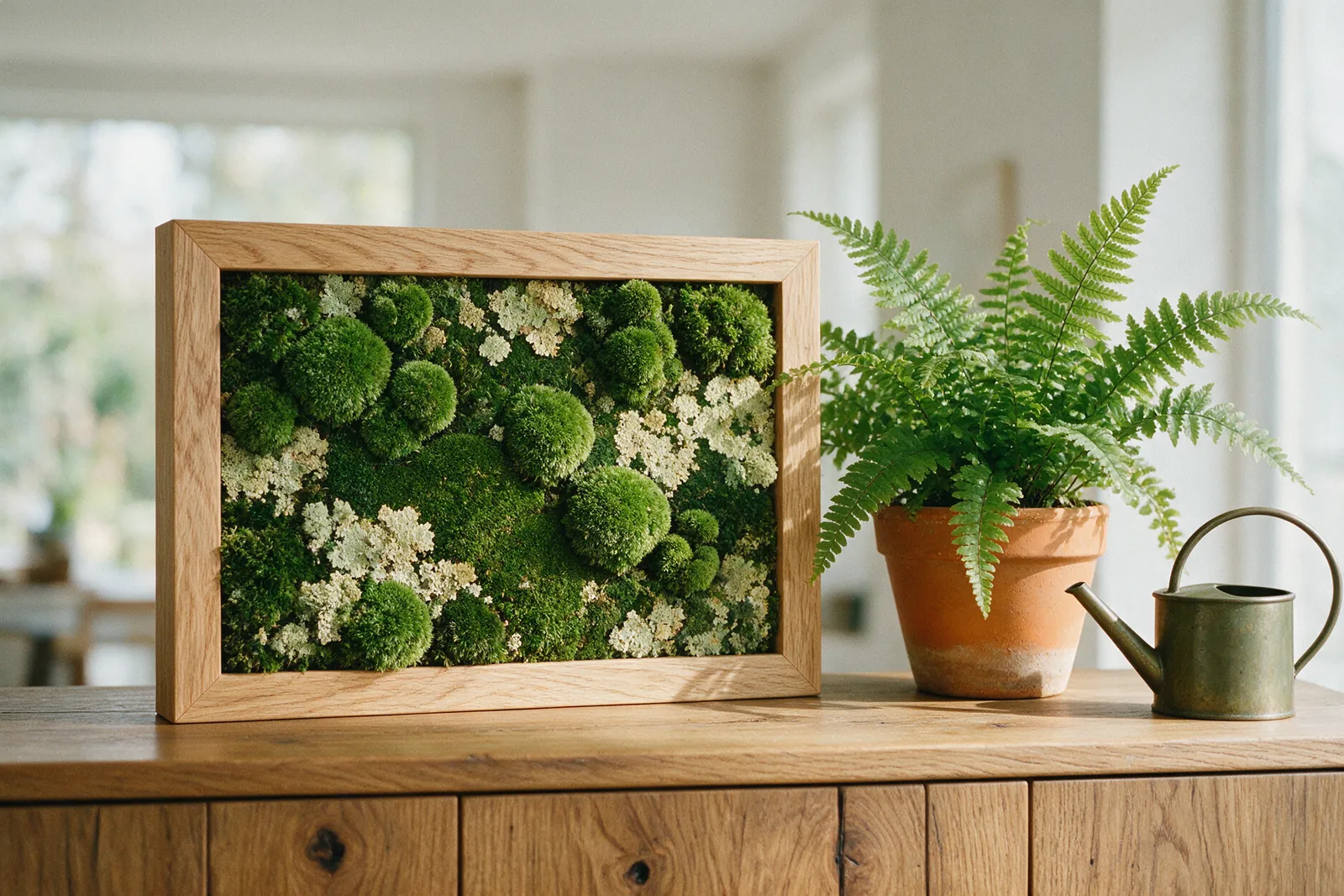
Preserved moss or living plants: what each brings and when to choose which
An honest comparison of preserved moss and living plants for biophilic design: what preserved moss is, how it is stabilised, what science says about its benefits, maintenance, lifespan, cost and which spaces suit each option.
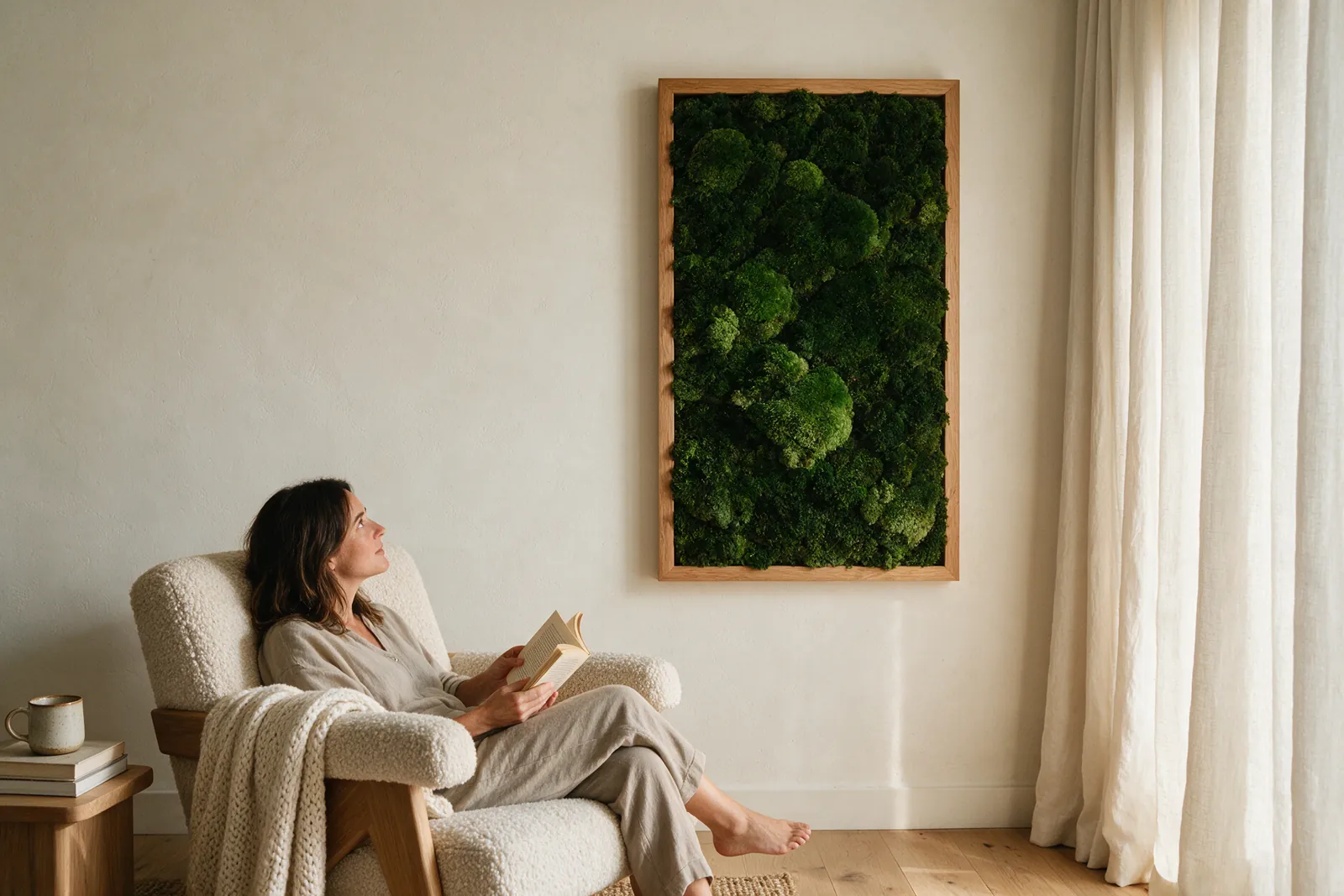
Stress, attention and nature: what happens in the brain when you look at something green
Attention restoration theory, the Berman walk that improved memory by 20% and the Stanford study that reduced rumination: the science of why nature calms and focuses us, and how to use it indoors.
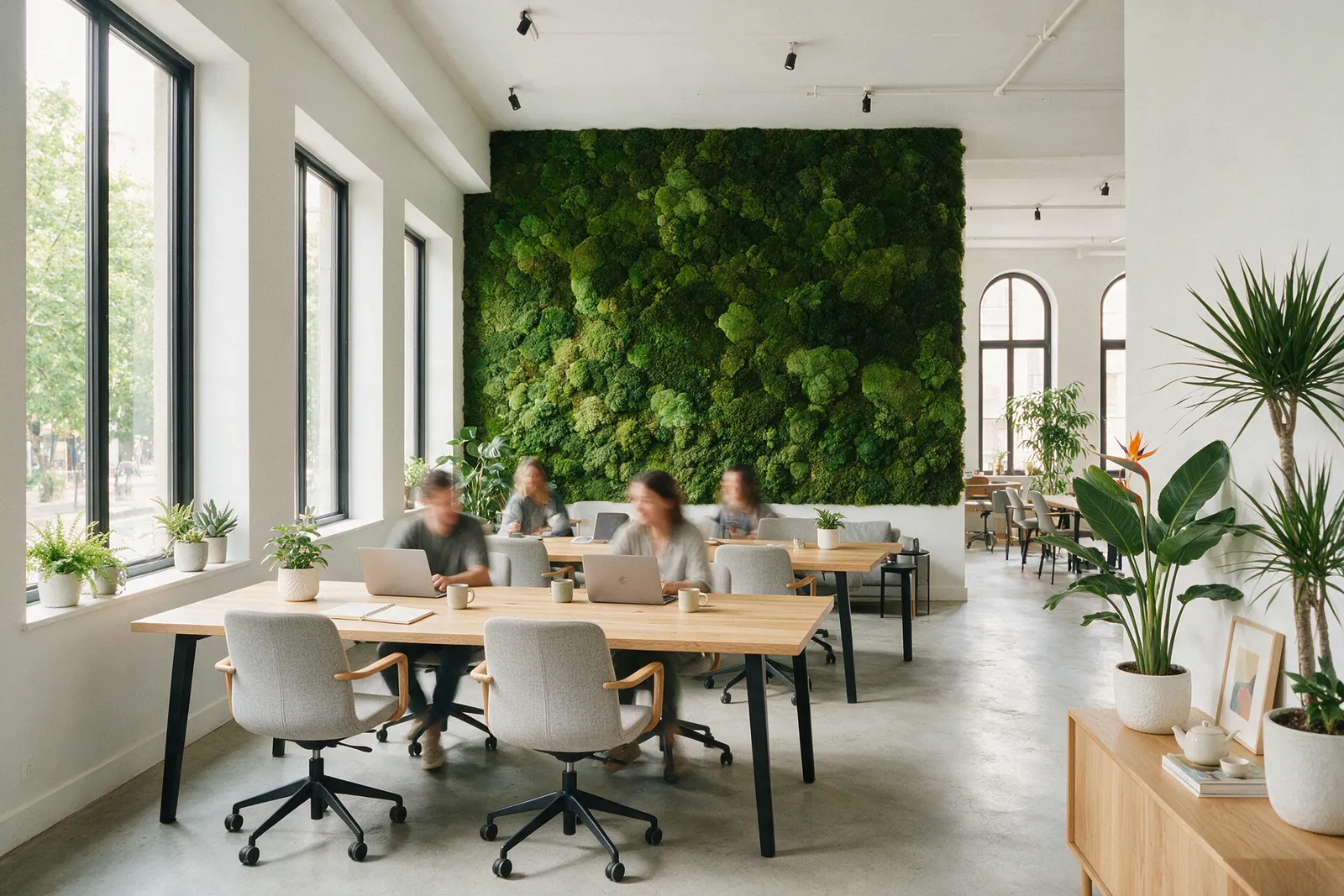
Green offices: the experiment that measured 15% higher productivity
Biophilic design in offices: what the Cardiff and Exeter "green versus lean" study found, what the Human Spaces report says about 7,600 workers, and how to bring nature into a real workplace.
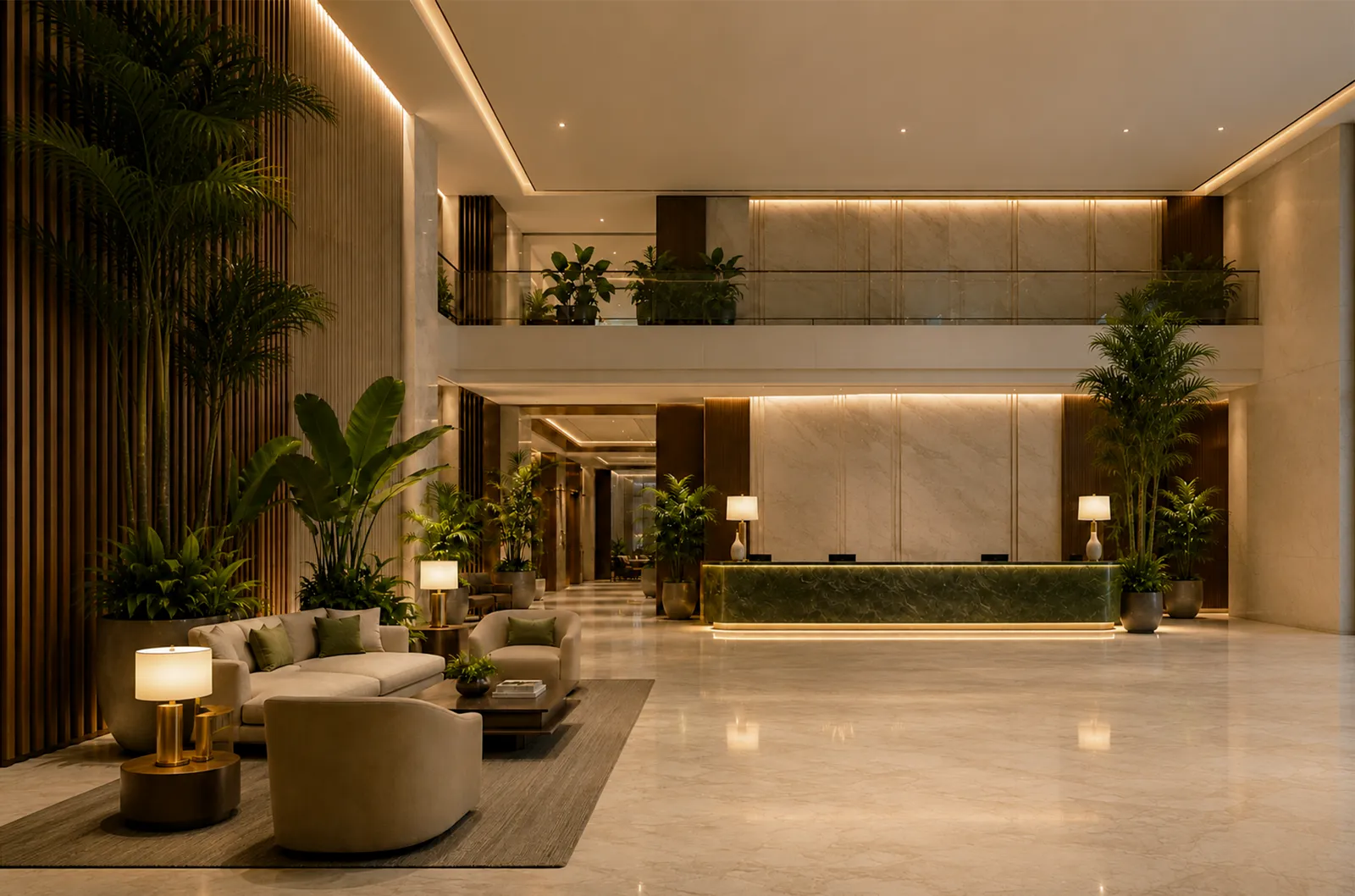
Biophilic design for a hotel lobby: a visual concept
A design concept for planning living plants and preserved moss artwork in a hotel lobby, with attention to placement, circulation, and professional care.
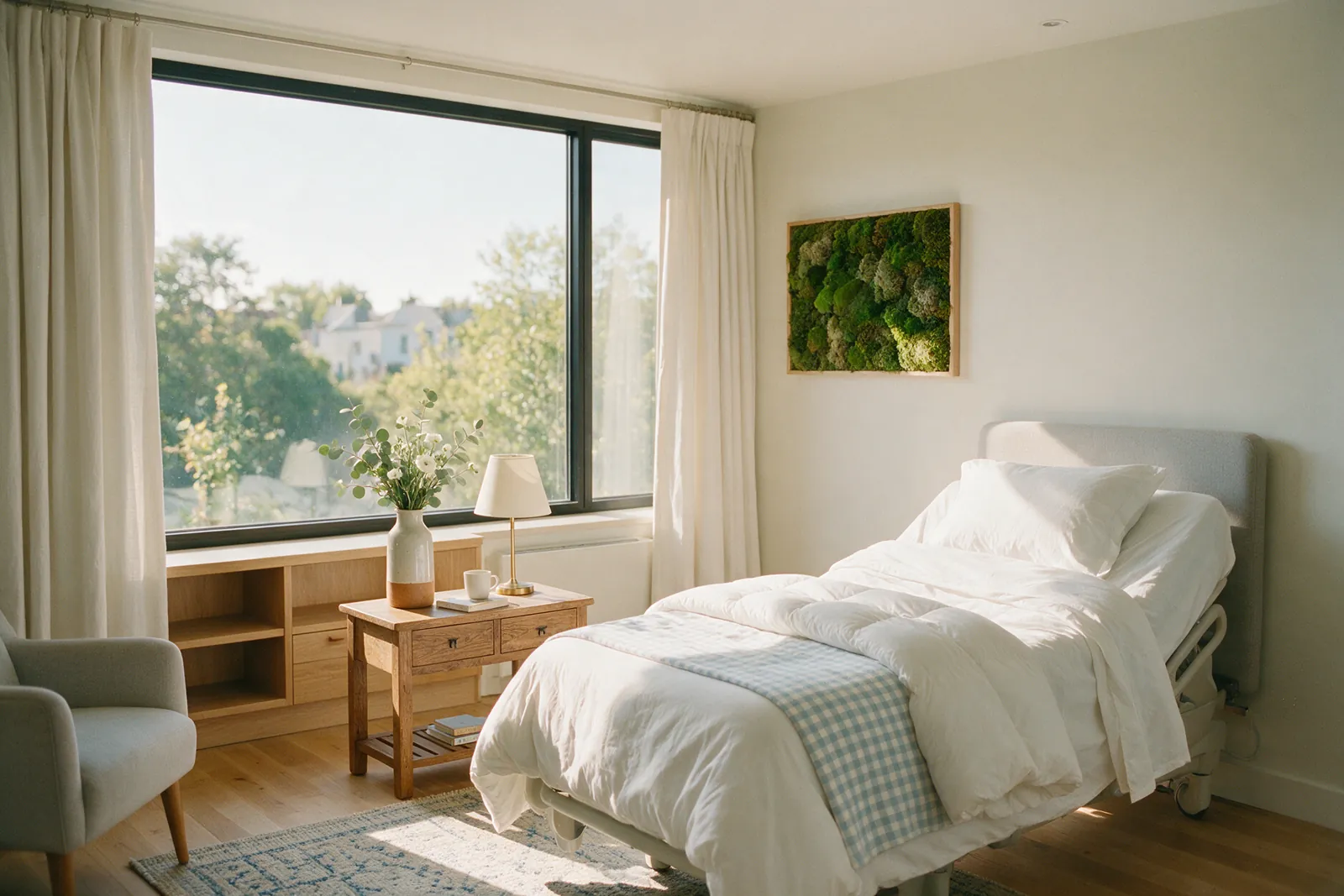
The 1984 study that proved a window with trees heals faster
In Science, Roger Ulrich compared surgery patients with a view of a wall and a view of trees. The second group left hospital sooner and asked for fewer painkillers. That is how the science of biophilic design and stress reduction theory began.
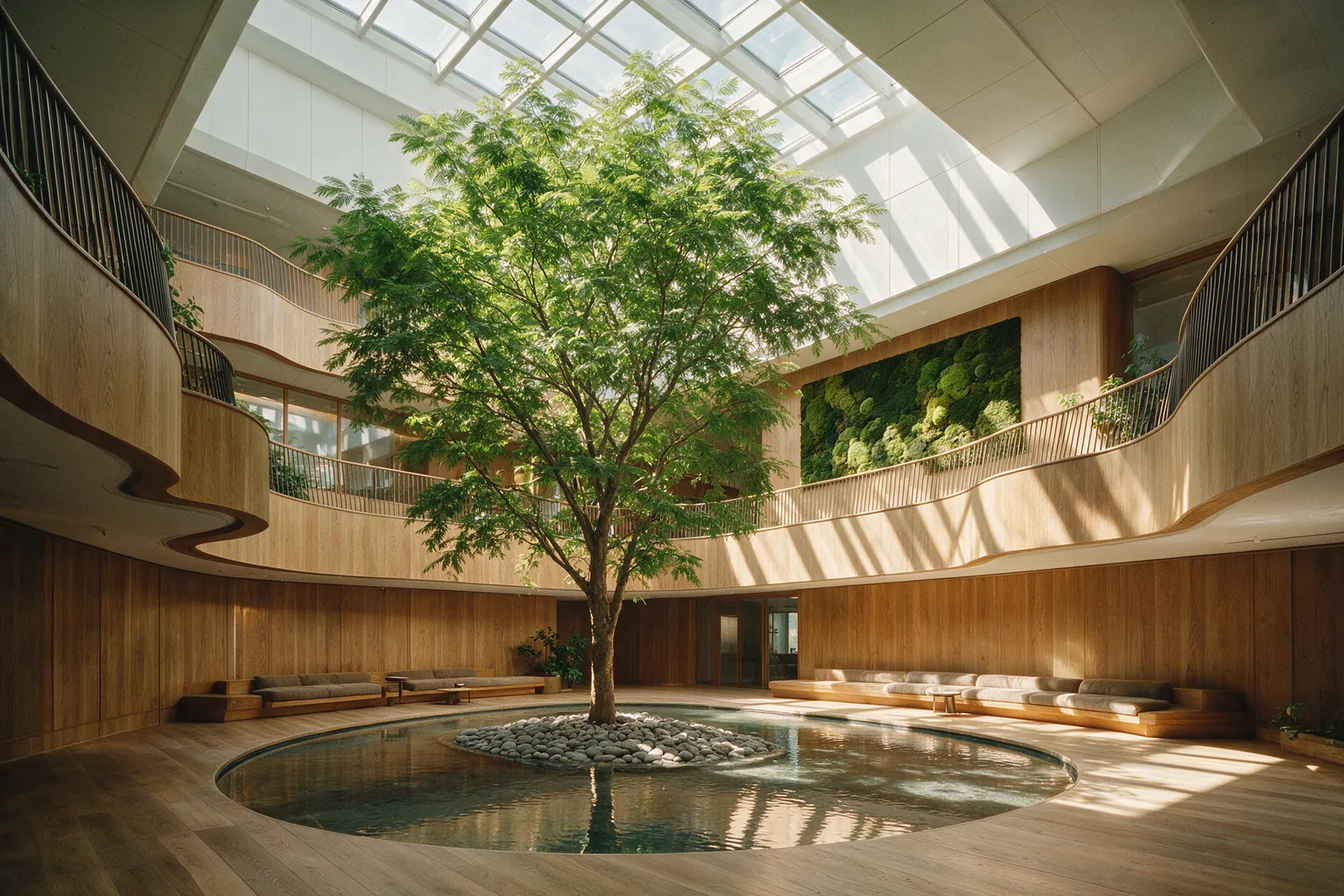
The 14 patterns of biophilic design, explained with real examples
The Terrapin Bright Green framework used by architects and interior designers worldwide: the 14 patterns of biophilic design, the evidence behind each one and how to apply them in an office, a hotel or a home.
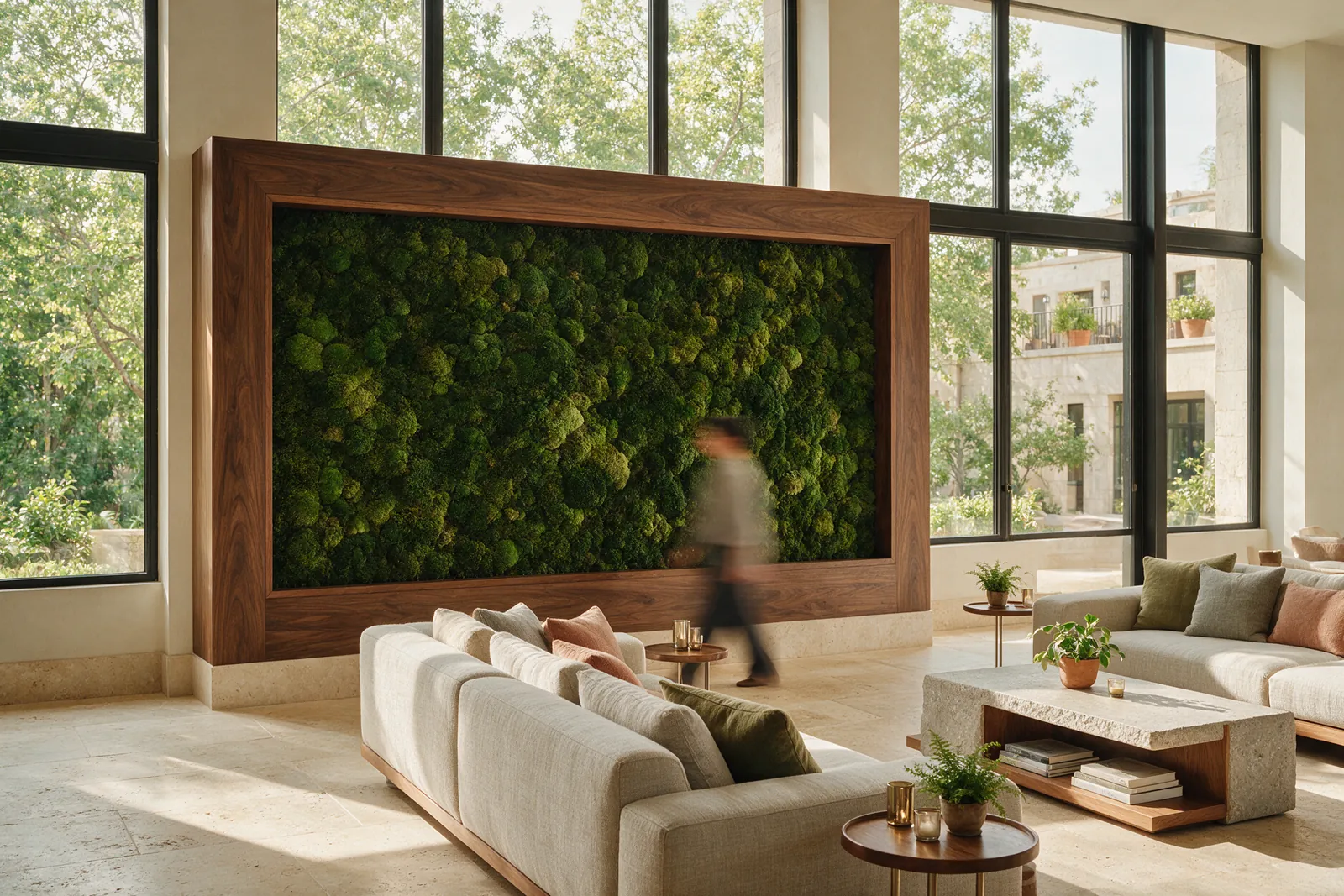
What is biophilic design: definition, principles and proven benefits
A complete guide to biophilic design: where the term comes from, the principles that define it, what science says about its benefits, and how to apply it in a home, an office or a hotel.
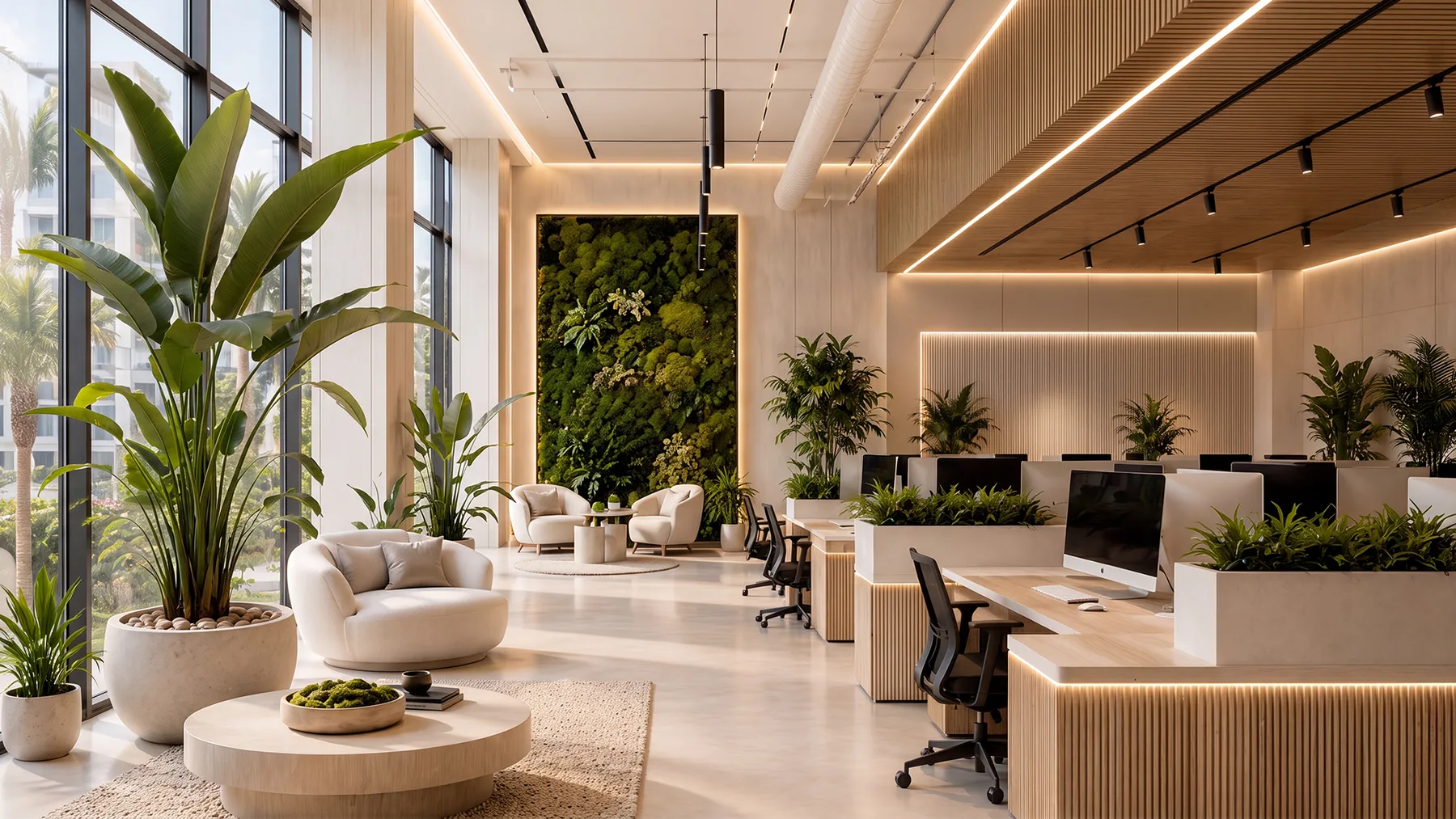
More human offices: what changes when you bring in nature
Greenery at work is not decoration: it shapes focus, noise and the wellbeing of the team.
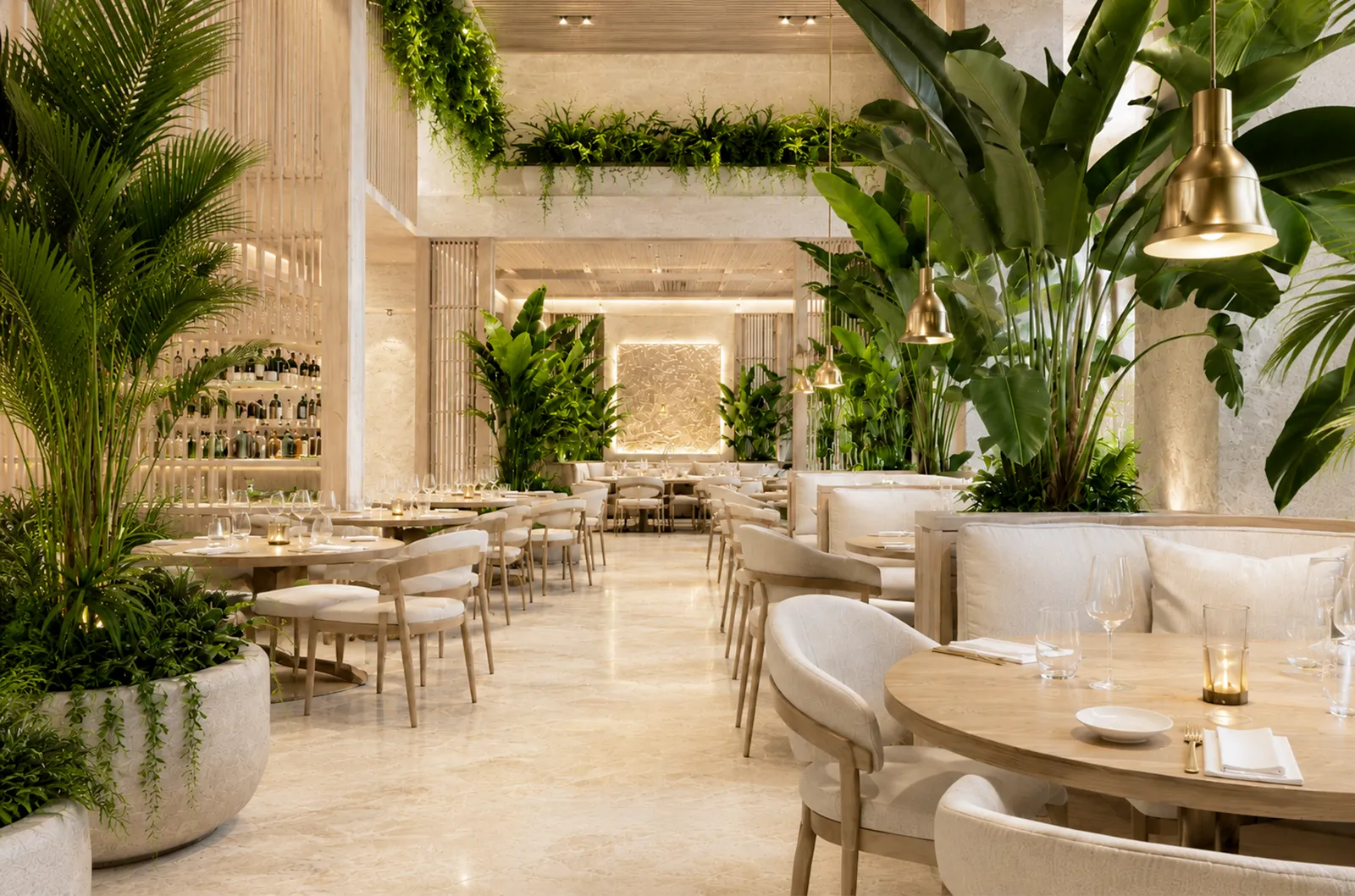
The role of nature in a restaurant experience
Why a dining room surrounded by greenery invites guests to linger and return. A before and after.
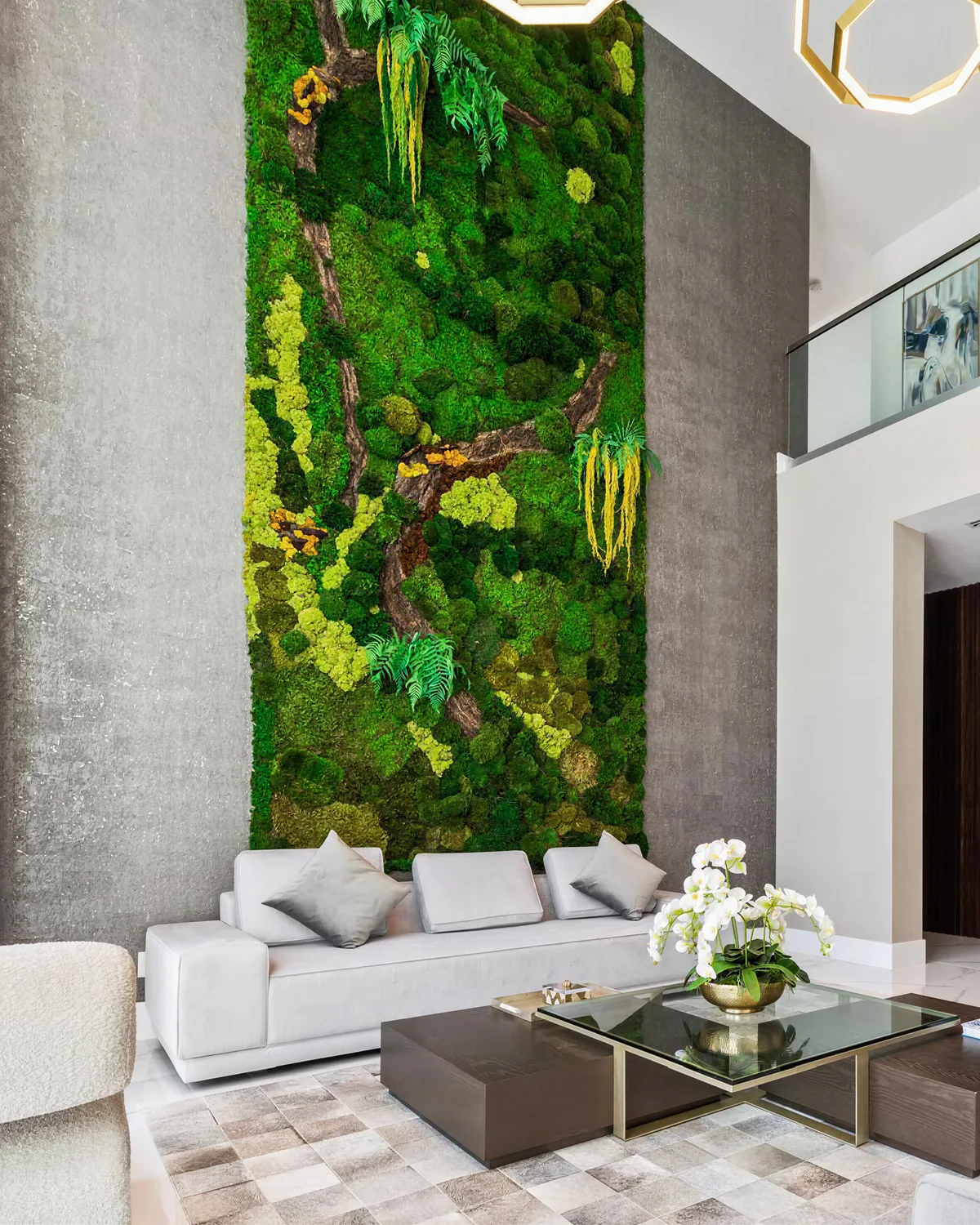
Stabilized nature at home: from the living room to the terrace
How to bring green into the spaces you live in most, without the demands of a living plant.
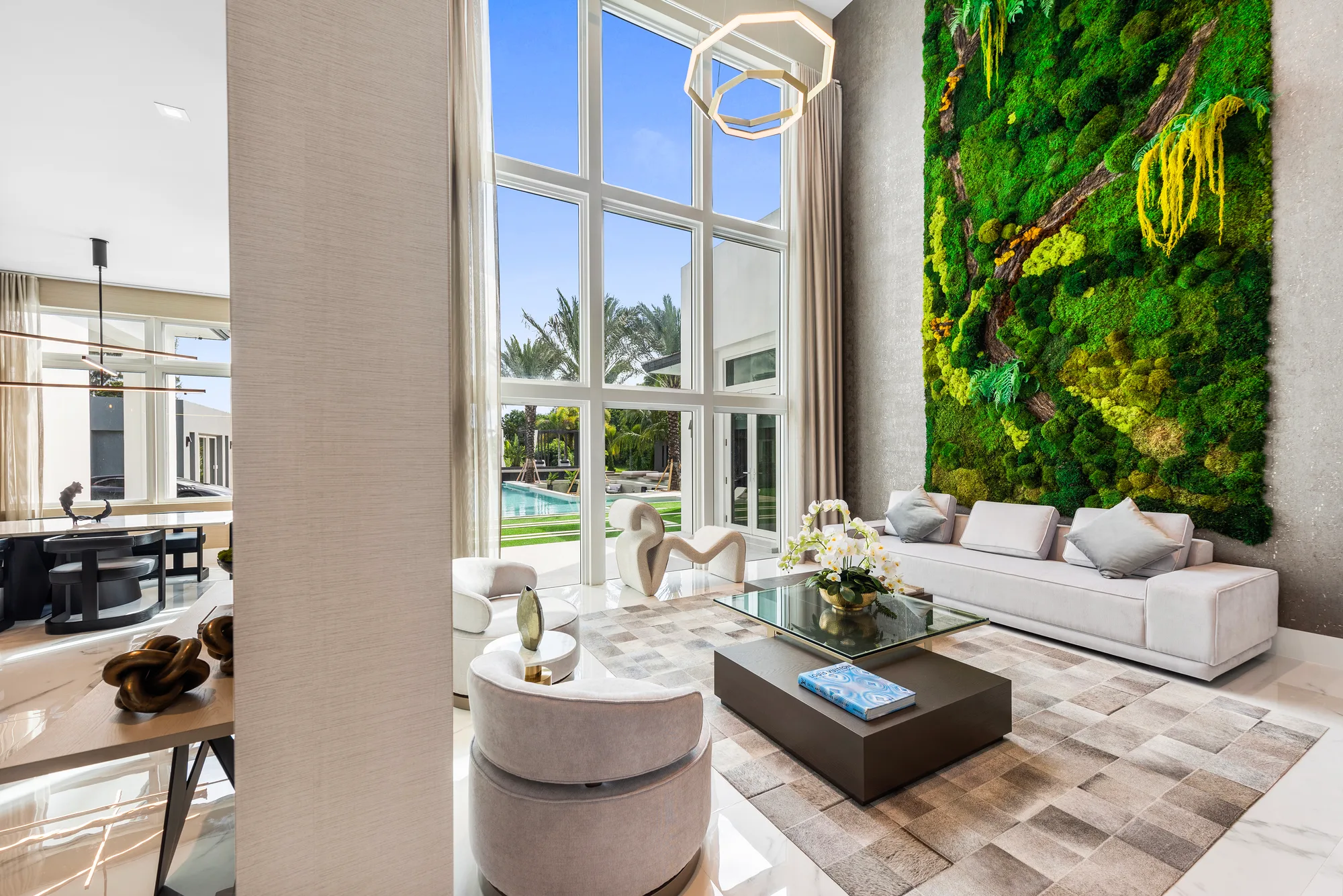
Why stabilized moss is the botanical decor of the future
Real nature, zero maintenance and wellbeing. The reasons stabilized moss is winning over homes and businesses.